
22mm ROPP Cap: Aluminium Pilfer-Proof Caps for Small Bottles
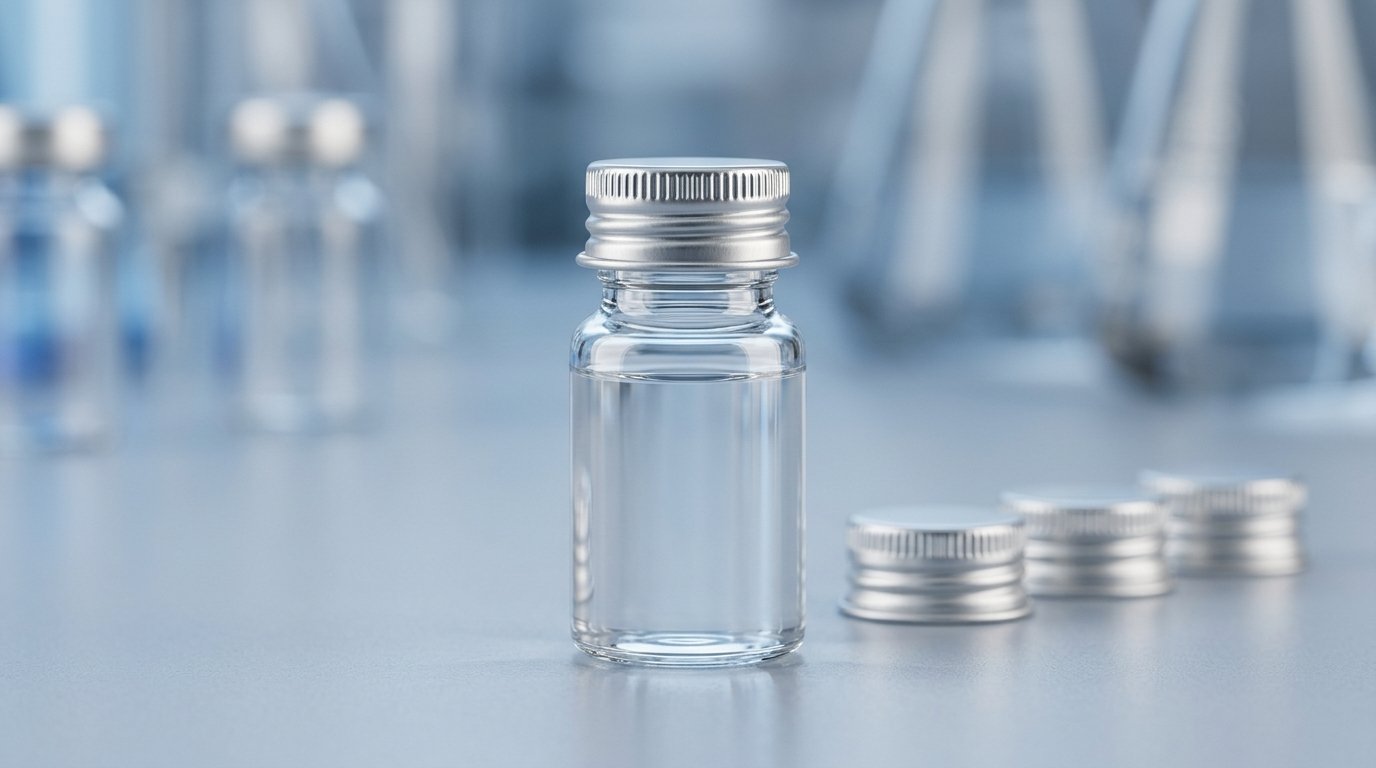
The Autofits 22mm ROPP cap is the smallest cap in the Autofits pilfer-proof range: an aluminium roll-on closure for bottles with a 22 mm screw-neck finish, used on small glass and PET bottles for oral drops, concentrates and diagnostic reagents. Because the fill is small, the cap is light and the sealing land is narrow, so edge quality, roundness and a liner suited to a low top load matter more here than on the bigger sizes. EPE, latex and PVC liners and plain, printed or chamfered finishes are all available at this size.
Key takeaways
- A 22mm ROPP cap fits bottles with a 22 mm pilfer-proof neck finish, typically small bottles of about 10 ml to 60 ml.
- It is the smallest size in the Autofits pilfer-proof range, which runs 22, 25, 28, 35 and 38 mm.
- Typical uses are oral drops, concentrates, reagent bottles and small-volume liquids where a narrow neck limits spillage and dose.
- Typical aluminium gauge at 22 mm is 0.20 to 0.22 mm, the lightest in the range, in AA8011 with an epoxy lacquer to 21 CFR 175.300.
- Small caps are light and fast to feed, so cap-to-cap dimensional consistency has a large effect on line efficiency.
- For reagent bottles, the liner is part of the stability claim and is qualified like any other product-contact material.
What the 22mm ROPP cap fits
A 22 mm ROPP cap closes a bottle with a threaded neck finish of 22 mm nominal diameter. The liner is already seated in the shell when it arrives, and the forming rollers on the capper give each cap its threads and tuck its band against the individual bottle it lands on.
Small screw-neck bottles are used wherever the fill is low, the dose is measured in drops or millilitres, or the product is used in a laboratory. Typical containers include:
- Oral drops and paediatric concentrates in small amber glass or PET bottles, often with a separate dropper.
- Diagnostic and laboratory reagents supplied in small threaded bottles for dispensing.
- Small-volume oral liquids such as vitamin and mineral drops.
- Veterinary oral and topical liquids packed in small screw-neck bottles.
Small dropper and reagent bottles come from many bottle makers, and their 22 mm necks are not identical: send the neck drawing so the cap is drawn against it.
22mm ROPP cap specifications
The values below are typical for a 22 mm cap; your cap is built to a controlled drawing issued with the quotation.
| Property | 22 mm ROPP cap |
|---|---|
| Nominal size | 22 mm |
| Fits | 22 mm pilfer-proof screw-neck finish, glass or PET |
| Typical container | 10 ml to 60 ml bottles |
| Typical shell height | 15 to 18 mm |
| Aluminium | AA8011, typically 0.20 to 0.22 mm |
| Coating | Epoxy lacquer to 21 CFR 175.300, pigmentable |
| Liners | EPE, latex or PVC |
| Finishes | Plain, printed or chamfered |
| Tamper evidence | Pilfer band, bridges shear on first opening |
| Supply | Bulk cartons; any washed or sterilised presentation on enquiry |
| Typical carton | About 12,000 caps, confirmed per order |
| Inspection | Online high-speed camera inspection |
Why dimensional consistency matters more on a small cap
At 22 mm, small variations from cap to cap are a larger share of the part, and small caps run at high speed, so consistency shows up directly as line efficiency. A shell that is slightly out of round or carries a burr on its cut edge can jam in the feed chute, sit crooked under the head or form a shallow thread. On a line running small bottles at speed, each of those becomes a stop or a reject.
Two things upstream prevent it: clean, burr-free cut edges from the punching operation, and online camera inspection of the running output, so intermittent defects are caught before despatch rather than found by a sample. The capping parameters that interact with cap geometry are set out on the ROPP capping page.
Liner notes at 22 mm
The liner in a 22 mm cap is a small disc sealing a narrow land, so liner thickness and recovery need to suit a low top load. Small glass necks tolerate less top load than larger ones, and too much load can chip the finish. EPE is the usual starting point for aqueous drops and reagents. Where a reagent contains solvents or reactive components, the liner face is confirmed by a compatibility study rather than by habit. The three liner options are compared on the ROPP cap liners page.
For reagent bottles in particular, the liner is part of the reagent’s stability claim. Evaluate it in the same way as any other product-contact material. The general approach is on the extractables and leachables page.
22 mm against the next size up
| 22 mm | 25 mm | |
|---|---|---|
| Typical fill | 10 ml to 60 ml | 30 ml to 125 ml |
| Typical use | Drops, concentrates, reagents | Paediatric syrups, suspensions |
| Typical shell height | 15 to 18 mm | 16 to 18 mm |
| Typical carton | About 12,000 | About 10,000 |
The two overlap at around 30 ml to 60 ml, where the choice follows the bottle the product is already packed in. The full range is on the pilfer-proof caps page.
Ordering 22mm ROPP caps
For a 22 mm quote, the neck drawing and the product the liner will touch are the two things that decide the cap; send both, with the finish and any colour. If the product is a reagent, say what it contains, because solvents change the liner recommendation.
Standard 22 mm designs are typically ordered from 50,000 pieces per colour, with a typical lead time of 2 to 3 weeks from order confirmation; a custom colour or print typically starts at 100,000 pieces and 4 to 6 weeks. Standard samples of typically 200 to 500 pieces are useful for a liner compatibility check before the first order. All of these are confirmed with the quotation. Contact Autofits with your specification.
How this works in practice at Autofits
The smallest cap in the range is made at the same Nashik plant that produces around 250 million aluminium pilfer-proof caps a month, to a controlled drawing matched to your bottle and with online high-speed camera inspection. For a reagent or drops product, ask for the liner and finish declarations at the quotation stage rather than after the first order, because they go into your own stability and compatibility file. The plant runs under ISO 15378:2017 with ISO 9001:2015, ISO 14001:2015 and Drug Master File 18100, listed on the quality page.
Frequently asked questions
What bottle does a 22mm ROPP cap fit?
It fits a bottle with a 22 mm pilfer-proof screw-neck finish: typically a small glass or PET bottle of about 10 ml to 60 ml holding oral drops, a concentrate or a reagent. Small bottles come from many makers with slightly different threads and beads, so the cap is drawn against your bottle.
What is the smallest ROPP cap size Autofits makes?
The smallest pilfer-proof cap in the Autofits range is 22 mm. The range runs 22, 25, 28, 35 and 38 mm. Smaller figures such as 13 and 20 mm are vial seal sizes, used for crimped seals on injectable vials rather than threaded caps on bottles.
Can a 22mm ROPP cap be used on a reagent bottle?
Yes. Roll-on pilfer-proof caps are used on small threaded reagent bottles where tamper evidence and a reclosable cap are both needed. The liner is chosen for compatibility with the reagent, and for solvent-containing reagents that choice is confirmed by a compatibility study before release.
Does a 22mm cap need a different capping machine?
It runs on a roll-on capping machine fitted with forming heads for the 22 mm size. The machine type is the same as for larger ROPP caps, but a size change requires a changeover of the head parts and re-established settings for top load and roller pressure. Small glass necks usually need a lower top load.
How many 22mm ROPP caps are in a carton?
About 12,000 is typical, the highest count in the range because the 22 mm shell is the smallest. The exact number moves with shell height and liner and is fixed with the quotation.
Related reading
- Pilfer-proof (ROPP) aluminium caps: the full range
- ROPP cap liners: EPE, latex and PVC
- Applying ROPP caps: roll-on capping and torque
- ROPP cap finishes: plain, printed and chamfered
- 25mm ROPP cap
- Diagnostics packaging
- Research reagent packaging
Sources
- Autofits pilfer-proof (ROPP) cap range and company brochure
- ISO: ISO 15378:2017, Primary packaging materials for medicinal products, GMP requirements (https://www.iso.org/standard/70729.html)
- eCFR: 21 CFR 175.300, Resinous and polymeric coatings (https://www.ecfr.gov/current/title-21/chapter-I/subchapter-B/part-175/subpart-C/section-175.300)
*Last updated: 2026-09-15. This page is general technical and product information, not regulatory or compliance advice; typical values are indicative, and the controlled drawing for your bottle is confirmed with the quotation.*
