
Aluminium-Plastic Seal: What It Is and How Combi Vial Seals Work
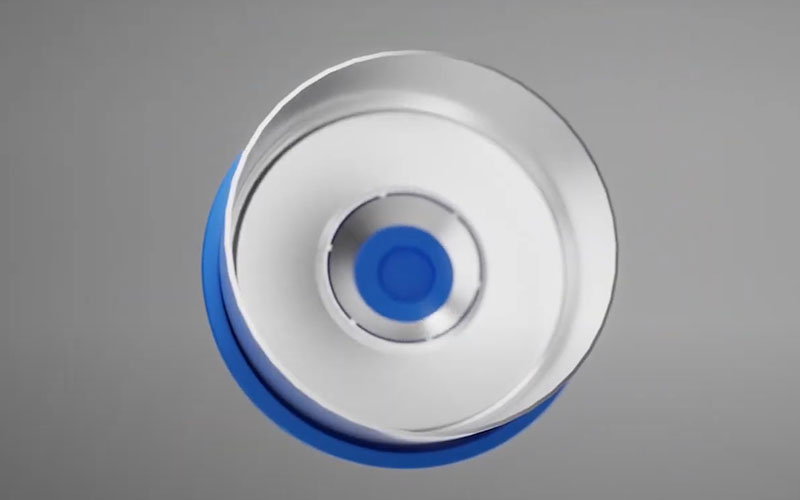
An aluminium-plastic seal is a combination vial closure made of a crimped aluminium shell with a moulded plastic top, used to secure the rubber stopper on an injectable vial. The aluminium part provides the tamper-evident crimp that holds the stopper in place and supports container closure integrity, while the plastic top gives a clean opening feature (typically a flip-off button) and a surface that can be coloured, printed, or embossed. Because it combines two materials, it is often called a “combi” seal. Flip-off seals are the most common type of aluminium-plastic seal. How its specification differs from a plain aluminium seal, standard by standard and dimension by dimension, is set out in aluminium-plastic seal vs plain aluminium seal.
This page explains what an aluminium-plastic seal is, how its two parts work together, the finishes and sizes available, and how it relates to other vial seal types.
Key takeaways
- An aluminium-plastic (combi) seal combines a crimped aluminium shell with a moulded plastic top on an injectable vial.
- The aluminium shell is crimped over the stopper for tamper evidence and to support container closure integrity; the plastic top provides the opening feature and the brandable surface. The shell is drawn from thin rolled strip in a small set of closure aluminium grades.
- Flip-off seals are the most common aluminium-plastic seal: a plastic button flips up while the aluminium crimp stays on the vial.
- The plastic disc can be matte or glossy, in effectively unlimited colours, and can be printed and embossed; the metal part can be coloured and printed.
- Common pharmaceutical vial sizes are 13 mm, 20 mm, and 32 mm.
- Combi seals dominate injectable flip-off closures because they pair the integrity of an aluminium crimp with easy, controlled opening.
What is an aluminium-plastic seal?
An aluminium-plastic seal is a vial closure that joins an aluminium shell to a moulded plastic component, so that one part secures the stopper and the other controls opening and branding. It sits on top of the rubber stopper of a filled vial. The aluminium skirt is crimped under the lip of the vial neck during capping, clamping the stopper down and forming the tamper-evident seal. The plastic top covers the centre of the aluminium and carries the feature the user interacts with, most often a flip-off button.
The closure is one element of the container closure system, the set of components (vial, stopper, and seal) that together contain and protect the drug product. The seal does not contact the medicine directly in normal use; the stopper provides the sealing surface, and the aluminium crimp keeps that stopper compressed against the vial. Both the elastomeric closure and the metal seal are regulated as primary packaging because they are part of the system that maintains sterility and stability. The dimensional standard for this cap family is ISO 8362-6.
Why combine aluminium and plastic?
The two materials are combined because each solves a problem the other cannot: aluminium delivers the secure, tamper-evident crimp, and plastic delivers a clean opening experience and a printable, colour-coded surface. A plain aluminium seal can hold the crimp but is harder to open neatly and offers limited branding; a plastic-only cap cannot reliably reproduce the controlled deformation of an aluminium crimp.
In a combi seal the roles split cleanly:
- Aluminium shell: crimps under the vial lip to hold the stopper, providing the mechanical force that supports container closure integrity and the visible evidence that the vial has not been opened.
- Plastic top: carries the opening feature (the flip button and its scoreline or tear feature) and the decoration, so the closure can be colour-coded by product and branded.
The result is a closure that is tamper-evident and integrity-supporting like an all-metal seal, but easier and cleaner to open. This is why combi seals are the standard format for injectable flip-off seals, and the format that dominates vaccine vials and other small-volume parenterals.
How an aluminium-plastic seal works
In use, the plastic button is flipped or pulled to expose the centre of the stopper, while the crimped aluminium skirt stays in place on the vial. The user lifts the plastic top, the centre tears along its designed feature, and the rubber stopper is exposed for the needle. The aluminium crimp is not removed; it continues to hold the stopper and preserve tamper evidence after opening. Different opening behaviours (flip-off, tear-off, pull-ring, tear-down) come from how the plastic top and any tear feature are designed.
For a deeper look at the mechanism and the seal anatomy, see how flip-off caps work. For comparisons with closures that remove the entire top, see aluminium vs aluminium-plastic seals and the tear-down seal.
Finishes, customisation, and sizes
The plastic top of an aluminium-plastic seal can be supplied in a matte or glossy finish, in a wide colour range, and can be printed or embossed; the aluminium part can also be coloured and printed. Colour coding is functionally useful: it lets a fill-finish line and the end user distinguish products and strengths at a glance, which reduces selection errors.
| Element | Options |
|---|---|
| Plastic disc finish | Matte or glossy |
| Plastic disc colour | Effectively unlimited; custom colours to customer specification |
| Plastic customisation | Printing and embossing |
| Metal customisation | Colouring and printing |
| Common vial sizes | 13 mm, 20 mm, 32 mm |
Sizes are specified to match the vial neck. The common pharmaceutical injectable sizes are 13 mm, 20 mm, and 32 mm, with the larger 32 mm format used for wider-neck vials.
How this works in practice at Autofits
Autofits manufactures aluminium-plastic FlipTop® seals as its core product family, alongside tear-off and tear-down aluminium seals and aluminium pilfer-proof (ROPP) caps. The FlipTop range includes the FlipTop Optima flip-off seals, Pull Ring, and Tear Down sub-ranges, supplied in 13 mm, 20 mm, and 32 mm sizes. The plastic disc is offered in matte or glossy finishes with print and emboss customisation, and the metal can be coloured and printed, so a closure can be matched to a customer’s product coding and branding. Production runs under an ISO 15378:2017 quality system (with ISO 9001:2015 and ISO 14001:2015 certification and a Drug Master File) in a 75,000 sq ft Nashik facility that includes an ISO Class 8 cleanroom with high-speed visual inspection. For an end-to-end view of how these closures are produced, see how aluminium-plastic seals are manufactured, and the full certification set on the quality page. The complete closure lineup is on the product range.
Frequently asked questions
What is an aluminium-plastic seal?
An aluminium-plastic seal is a combination vial closure that joins a crimped aluminium shell to a moulded plastic top. The aluminium crimps over the rubber stopper to hold it in place and provide tamper evidence, while the plastic top carries the opening feature and a surface that can be coloured, printed, or embossed. It is the standard closure format for injectable flip-off vials.
Is a flip-off seal the same as an aluminium-plastic seal?
A flip-off seal is the most common kind of aluminium-plastic seal, but the two terms are not identical. “Aluminium-plastic seal” describes the construction (aluminium shell plus plastic top), while “flip-off” describes a specific opening feature (a plastic button that flips up while the aluminium crimp stays on the vial). Most flip-off seals are aluminium-plastic seals.
Why do vial seals use both aluminium and plastic?
The two materials split the job. Aluminium provides the crimp that secures the stopper and supports container closure integrity, plus tamper evidence. Plastic provides a clean opening feature and a printable, colourable surface for branding and colour coding. Combining them gives a closure that is both integrity-supporting and easy to open.
What sizes do aluminium-plastic seals come in?
For pharmaceutical injectable vials, the common sizes are 13 mm, 20 mm, and 32 mm, matched to the vial neck diameter. The 32 mm size is used for wider-neck vials. Not every product variant is offered in every size.
Can aluminium-plastic seals be printed or coloured?
Yes. The plastic top can be supplied in a matte or glossy finish, in a wide range of colours (including custom colours to specification), and can be printed and embossed. The aluminium part can also be coloured and printed. This supports product colour coding and branding.
Does the aluminium part come off when you open the vial?
No. With a flip-off style aluminium-plastic seal you flip the plastic button to expose the stopper, but the crimped aluminium skirt stays clamped on the vial. The crimp continues to hold the stopper and preserve tamper evidence. Removing the whole aluminium skirt is not part of normal clinical use.
Related reading
- What a flip-off seal is
- How aluminium-plastic seals are manufactured
- Aluminium vs aluminium-plastic seals compared
- What a tear-down seal is
- ISO 15378:2017 for primary packaging
- FlipTop Optima seals: sizes, finishes and flip sub-types
Sources
- ISO: ISO 15378:2017, Primary packaging materials for medicinal products (https://www.iso.org/standard/70729.html)
- USP-NF: General Chapter <381>, Elastomeric Closures for Injections (https://www.usp.org/)
- USP-NF: General Chapter <1207>, Package Integrity Evaluation, Sterile Products (https://www.usp.org/)
*Last updated: 2026-06-10. This article is general technical information about pharmaceutical packaging, not regulatory or compliance advice; confirm current standard editions and product specifications with the relevant body or supplier.*
