
35mm ROPP Cap: Aluminium Pilfer-Proof Caps for Larger and Wider-Neck Bottles
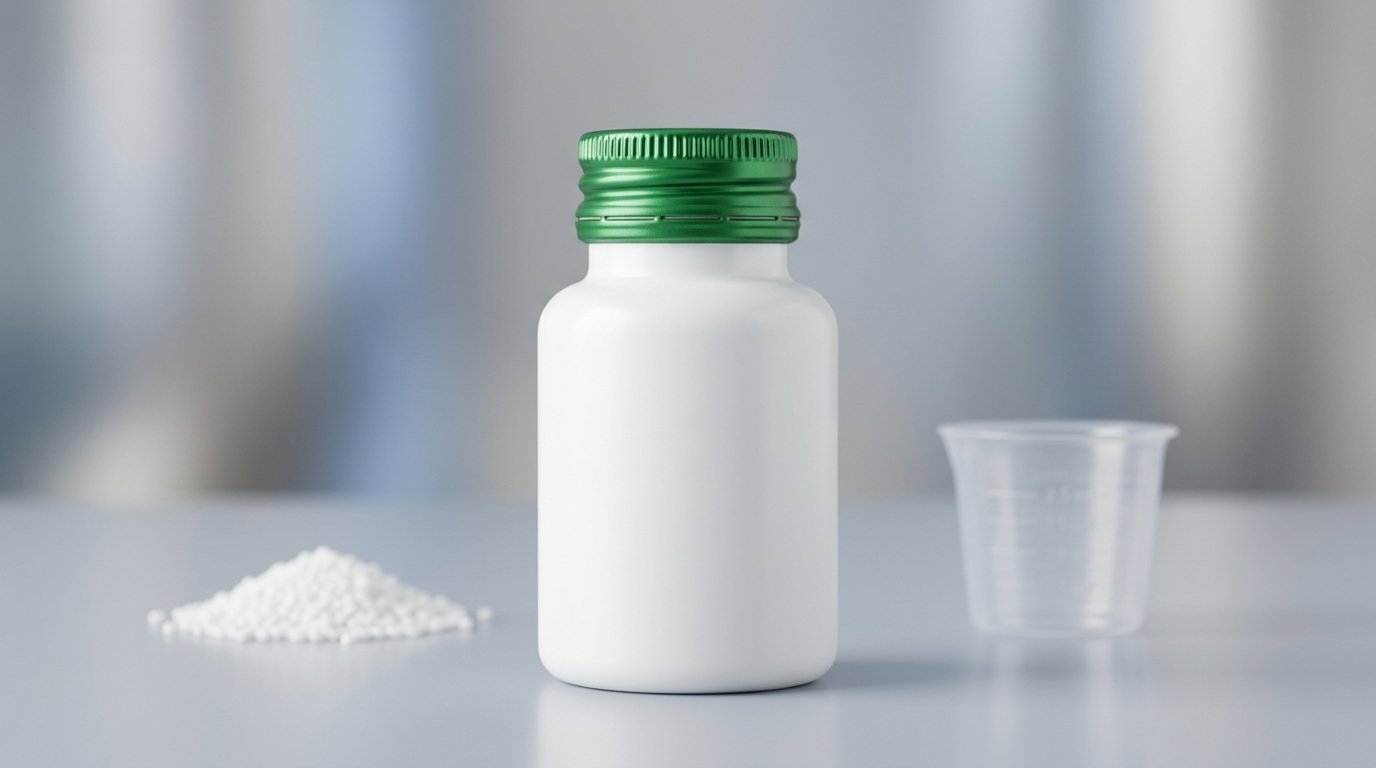
The Autofits 35mm ROPP cap is an aluminium roll-on pilfer-proof closure for bottles with a 35 mm screw-neck finish, used where a wider neck than the standard 28 mm helps filling, reconstitution or dispensing of a larger volume. Its two recurring jobs are dry syrups, where the liner has to keep moisture out of a powder and then keep a reconstituted liquid in, and larger liquid packs that are poured. The longer pilfer band on a cap this wide is the capping setting to watch. Every liner and finish in the range is offered at 35 mm.
Key takeaways
- A 35mm ROPP cap fits bottles with a 35 mm pilfer-proof neck finish, typically between about 150 ml and 500 ml.
- The wider neck suits dry syrups and powders for reconstitution, where water is added and the bottle shaken in the pharmacy or at home.
- It also suits larger oral liquid packs where a wider mouth speeds filling or pouring.
- Typical gauge steps up to 0.22 to 0.24 mm, with a typical shell height of 18 to 24 mm.
- A larger cap means a longer pilfer band, so band tuck is the capping setting to watch.
- The liner on a dry syrup pack is judged on recovery, because the patient opens and recloses the bottle through the course of treatment.
What the 35mm ROPP cap fits
A 35 mm ROPP cap closes a bottle with a threaded neck finish of 35 mm nominal diameter. Threads and band tuck are both made in a single capping cycle on the line, against the neck in front of the head.
A 35 mm neck is chosen when the standard 28 mm neck is too narrow for what the pack has to do. Typical containers include:
- Dry syrup bottles, where a powder is filled at the factory and reconstituted with water before dispensing. A wider neck speeds the powder fill and makes adding water easier.
- Larger oral liquid packs of 200 ml to 500 ml, including antacid suspensions and tonics.
- Granule and powder presentations of oral products measured out by scoop.
- Hospital and institutional packs of liquids that are poured rather than measured by spoon.
Wide-neck bottles are made in fewer standard designs than 28 mm bottles, so neck height and bead position vary more from one bottle maker to the next; the cap is drawn from your bottle drawing.
35mm ROPP cap specifications
Typical values at 35 mm follow. The exact figures for your bottle are on the drawing issued with the quotation.
| Property | 35 mm ROPP cap |
|---|---|
| Nominal size | 35 mm |
| Fits | 35 mm pilfer-proof screw-neck finish, glass or PET |
| Typical container | 150 ml to 500 ml wider-neck bottles |
| Typical shell height | 18 to 24 mm |
| Aluminium | AA8011, typically 0.22 to 0.24 mm |
| Coating | Epoxy lacquer to 21 CFR 175.300, pigmentable |
| Liners | EPE, latex or PVC |
| Finishes | Plain, printed or chamfered |
| Tamper evidence | Pilfer band, bridges shear on first opening |
| Supply | Bulk cartons; any washed or sterilised presentation on enquiry |
| Typical carton | About 5,000 caps, confirmed per order |
| Inspection | Online high-speed camera inspection |
Sealing a dry syrup bottle
A dry syrup bottle is closed twice: once at the factory over a dry powder, and again by the patient over a liquid, so the liner has to seal both. Before reconstitution the job is keeping moisture out, because many reconstitutable antibiotics are moisture-sensitive. After reconstitution the job is keeping liquid in through repeated opening over the course of treatment.
That puts the weight on liner recovery. EPE is a common choice because it recovers well after the cap is unscrewed and replaced. Powder on the sealing land after filling can prevent a good seal, so clean filling matters as much as the liner. The moisture barrier of the packaged system is established during stability work. How EPE, latex and PVC differ is covered on the ROPP cap liners page.
Capping notes at 35 mm
At 35 mm the pilfer band is longer and the shell presents more metal to the rollers, so band tuck and roller pressure need to be set with care. An uneven tuck around a longer band is easier to produce and easier for a patient to see. A band that is tucked too lightly may lift over the bead on first opening instead of breaking, which defeats the tamper evidence.
On PET bottles of this size, top load is balanced against the stiffness of the wider neck so the finish is not distorted while the threads are formed. The full capping sequence and the defects each setting produces are on the ROPP capping page.
35 mm against the neighbouring sizes
| 28 mm | 35 mm | 38 mm | |
|---|---|---|---|
| Typical fill | 100 ml to 500 ml | 150 ml to 500 ml | 200 ml to 1 litre |
| Typical use | General-purpose syrups | Dry syrups, larger liquid packs | Wide-mouth bottles, powders |
| Typical carton | About 7,500 | About 5,000 | About 4,000 |
Stay at 28 mm when a line already runs that size and the pack does not need a wider neck. Move to 38 mm for wide-mouth bottles and the largest packs. The full range is on the pilfer-proof caps page.
Ordering 35mm ROPP caps
For a dry syrup, tell us it is a powder for reconstitution and what the stability study needs from the pack; for a liquid, give the fill volume. Either way, send the bottle drawing, liner, finish and colour.
Typical ordering terms are the same as across the range: standard designs from 50,000 pieces per colour in 2 to 3 weeks from order confirmation, and custom colour or print from 100,000 pieces in 4 to 6 weeks, both typical and confirmed with the quotation. At about 5,000 caps a carton, a standard minimum order is around ten cartons. Contact Autofits with your specification.
How this works in practice at Autofits
At 35 mm the band is long enough that its bridges have to survive feeding and still shear cleanly on first opening, which is why the band is part of the controlled drawing rather than left to the capper to sort out. A dry syrup pack is normally qualified inside the product’s own moisture and stability studies, so ask for the liner declarations with the quotation. Caps are made with online high-speed camera inspection. Production is in Nashik under ISO 15378:2017, ISO 9001:2015 and ISO 14001:2015, with Drug Master File 18100; see the quality page.
Frequently asked questions
What bottle does a 35mm ROPP cap fit?
A wider-neck glass or PET bottle, typically about 150 ml to 500 ml, with a 35 mm pilfer-proof screw neck: noticeably wider than the standard 28 mm syrup bottle. Wide-neck designs vary between bottle makers, so the cap is drawn from your bottle drawing.
Is a 35mm ROPP cap suitable for dry syrup bottles?
Yes. A wider 35 mm neck makes the factory powder fill faster and makes it easier to add water when the product is reconstituted. The liner has to keep moisture out before reconstitution and liquid in afterwards, so a liner with good recovery, such as EPE, is a common choice, confirmed in stability work.
When should I choose 35 mm instead of 28 mm?
Choose 35 mm when the pack needs a wider neck, for example for powder filling, reconstitution, pouring a larger volume, or scooping granules. If the product is a liquid dosed by spoon and the line already runs 28 mm, staying at 28 mm avoids a capping changeover.
Why does the pilfer band matter more on a larger cap?
A larger cap has a longer pilfer band, so an uneven tuck under the bottle bead is easier to produce. If the band is tucked too lightly it can lift over the bead on first opening instead of breaking, and the tamper evidence fails. Pilfer roller position and pressure are set and checked at changeover.
How many 35mm ROPP caps are in a carton?
About 5,000 caps is typical. Shell heights at this size range more widely, from about 18 to 24 mm, and a taller shell means fewer caps per carton; your count is confirmed with the quotation.
Related reading
- Pilfer-proof (ROPP) aluminium caps: the full range
- ROPP cap liners: EPE, latex and PVC
- Applying ROPP caps: roll-on capping and torque
- ROPP cap finishes: plain, printed and chamfered
- 28mm ROPP cap
- 38mm ROPP cap
- What is a pilfer-proof cap?
Sources
- Autofits pilfer-proof (ROPP) cap range and company brochure
- ISO: ISO 15378:2017, Primary packaging materials for medicinal products, GMP requirements (https://www.iso.org/standard/70729.html)
- eCFR: 21 CFR 175.300, Resinous and polymeric coatings (https://www.ecfr.gov/current/title-21/chapter-I/subchapter-B/part-175/subpart-C/section-175.300)
*Last updated: 2026-09-15. This page is general technical and product information, not regulatory or compliance advice; typical values are indicative, and the controlled drawing for your bottle is confirmed with the quotation.*
