
Primary Packaging in Pharma: Definition, Examples, and Why It’s Regulated
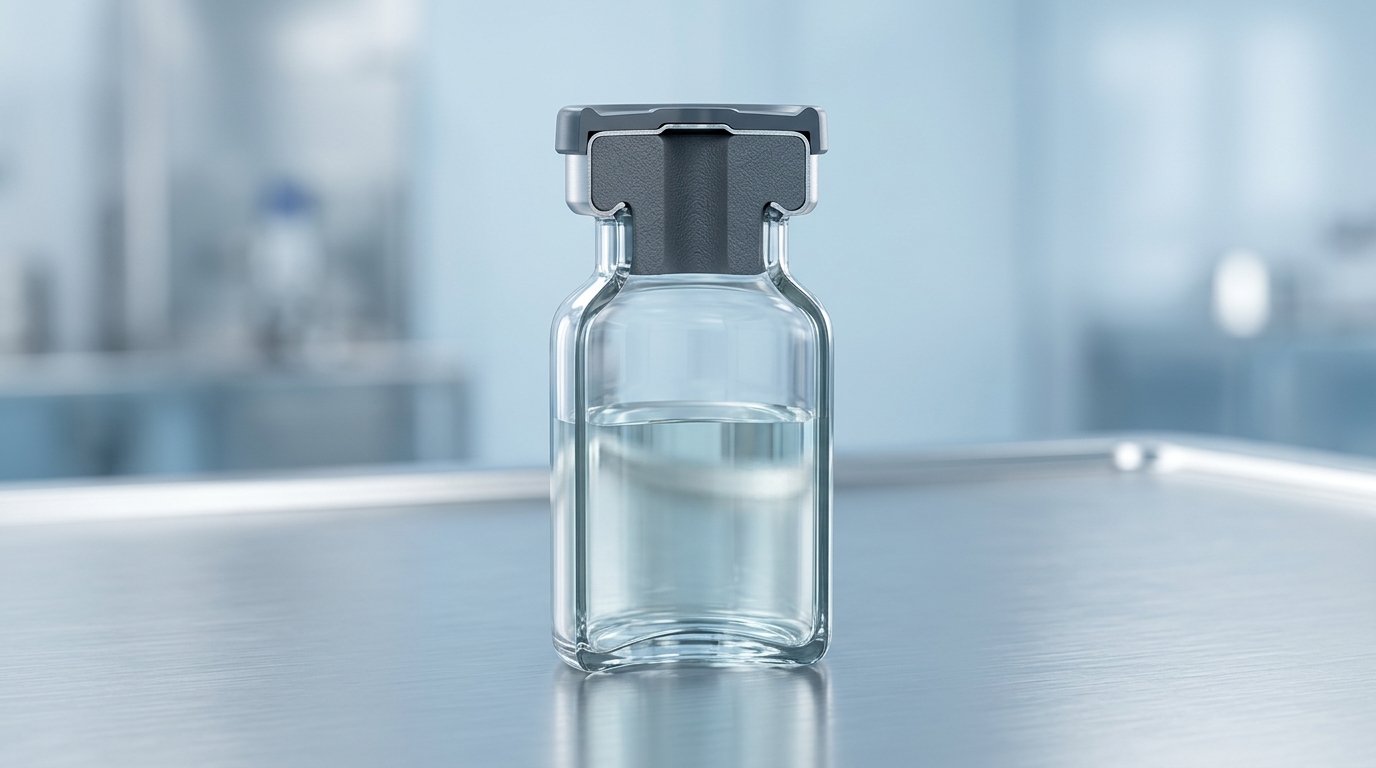
Primary packaging is the packaging material that is in direct contact with the medicinal product. For an injectable drug, the primary packaging is the glass vial, the rubber stopper, and the aluminium or aluminium-plastic seal that holds the stopper in place. Because these components touch the medicine and form the barrier that keeps it sterile and stable, primary packaging is held to a higher regulatory and quality bar than the cartons and boxes around it.
This glossary entry defines primary packaging, separates it from secondary and tertiary packaging, lists the common examples for injectables and oral medicines, and explains why a primary packaging material is regulated so tightly.
Key takeaways
- Primary packaging = the material in direct contact with the drug product (vial, stopper, seal, ampoule, syringe, blister).
- Secondary packaging holds and groups primary packs (the carton, label, leaflet); tertiary packaging is for transport (shipper cases, pallets). Secondary packaging for prefilled syringes is a worked example of how much that second layer has to carry.
- A primary packaging material can affect sterility, stability, and patient safety, so it is regulated through standards for the materials and for the quality system that makes them.
- For injectables, the primary pack is usually a multi-part container closure system: glass vial plus elastomeric stopper plus aluminium seal.
- Material safety is assessed through extractables and leachables studies and closure standards such as USP <381> for elastomeric closures.
- Manufacturers of primary packaging materials are commonly certified to ISO 15378:2017, the GMP-aligned quality standard written for this product class.
What is primary packaging?
Primary packaging is any packaging component that comes into direct contact with the medicinal product. The term covers the container that holds the drug and the closure that seals it. Because the medicine touches these surfaces, the materials must be compatible with the formulation, must not leach harmful substances into it, and must maintain the container’s integrity over the product’s shelf life.
A primary packaging material is the specific material or component used in that contact role: the glass of a vial, the elastomer of a stopper, the aluminium and plastic of a seal, the polymer of a prefilled syringe barrel. Regulators and pharmacopoeias treat these materials as part of the drug product’s quality, not as generic packaging, because a fault in a primary packaging material can compromise the medicine itself.
This is distinct from how the term “packaging” is used in consumer goods, where it usually means the box on a shelf. In pharma, the most important packaging is the part the patient never sees: the barrier in direct contact with the dose.
Primary, secondary, and tertiary packaging
Pharmaceutical packaging is grouped into three levels by how close it sits to the drug. Primary is in contact with the product; secondary contains and identifies the primary pack; tertiary protects everything during storage and transport.
| Level | Definition | Examples |
|---|---|---|
| Primary | In direct contact with the medicine | Vial, rubber stopper, aluminium/aluminium-plastic seal, ampoule, prefilled syringe, blister cavity, bottle and closure |
| Secondary | Contains and identifies the primary pack | Folding carton, label, patient information leaflet, tray |
| Tertiary | Protects packs in bulk for transport | Shipper case, corrugated box, pallet, stretch wrap |
The line that matters most for regulation and quality is the boundary of the primary pack, because only the primary packaging material can interact chemically or physically with the drug.
Examples of primary packaging
The form of the primary pack depends on the dosage form. The common categories are below.
Injectables (sterile)
For vials, the primary pack is a container closure system: a glass (or polymer) vial, an elastomeric stopper, and an aluminium or aluminium-plastic seal crimped over the stopper. The seal secures the stopper so the system maintains container closure integrity and a sterile barrier. Prefilled syringes, cartridges, and ampoules are also primary packaging for injectables. The vial assembly itself is described under vial closure, and the demands shift by drug type: an oncology product and a simple diluent ask very different things of the same three components.
Oral solids and liquids
Blister packs (the foil and formed film around each tablet), bottles with their closures, and the pilfer-proof or ROPP caps on liquid bottles are the primary packaging in contact with oral doses.
Other forms
Tubes for semi-solids, sachets and pouches for powders, and dropper assemblies for ophthalmic products are each the primary packaging for their dosage forms.
Why primary packaging is regulated
Primary packaging is regulated because the material in contact with a medicine can change its safety, identity, strength, quality, and purity. A poorly chosen or poorly made primary packaging material can leach impurities into the drug, fail to keep moisture or oxygen out, or break the sterile barrier. Each of these is a patient-safety risk, so the controls span the materials, their interaction with the drug, and the quality system that produces them. Which material suits which product is worked through in the application guides.
Material safety and compatibility
Substances can migrate from a packaging material into the drug. Studies of extractables and leachables assess what could come out of the material under stress and what actually does over shelf life. Elastomeric closures used with injections are also tested under pharmacopoeial standards such as USP <381> for their physico-chemical and biological suitability.
Container closure integrity
For sterile products, the primary pack must keep microorganisms out for the life of the product. A correctly applied seal and stopper are what maintain that barrier, which is why the seal is treated as a critical primary packaging component rather than a finishing touch.
Quality system of the manufacturer
Because the material is part of the drug’s quality, the company that makes it is expected to run a Good Manufacturing Practice (GMP) aligned quality system. ISO 15378:2017 is the standard written for this purpose: it applies ISO 9001:2015 and adds GMP requirements (contamination control, validation, traceability) specifically for primary packaging materials for medicinal products.
How this works in practice at Autofits
Autofits manufactures primary packaging materials for injectable and oral medicines: aluminium-plastic FlipTop® seals, tear-off and tear-down aluminium seals, and aluminium pilfer-proof (ROPP) caps in 13, 20, and 32 mm sizes. Because these components are in direct contact with the medicine, they are produced under an ISO 15378:2017 quality system (alongside ISO 9001:2015 and ISO 14001:2015) and a Drug Master File (DMF). The 75,000 sq ft Nashik facility includes an ISO Class 8 cleanroom and high-speed visual inspection on the closure lines, which are the controls that a primary packaging material for sterile use is expected to be made under. The full certification set is on the quality page.
Frequently asked questions
What is primary packaging in pharma?
Primary packaging is the packaging material in direct contact with the medicinal product. For an injectable, that is the vial, the rubber stopper, and the aluminium or aluminium-plastic seal. For an oral solid, it is the blister or the bottle and its closure. Because it touches the drug, it must be compatible with the formulation and maintain the container’s integrity.
What is the difference between primary and secondary packaging?
Primary packaging is in direct contact with the medicine (vial, stopper, seal, blister). Secondary packaging contains and identifies the primary pack: the carton, label, and patient information leaflet. Only the primary packaging material can interact chemically or physically with the drug, which is why it carries the stricter quality and regulatory controls.
Is a vial stopper primary packaging?
Yes. A rubber (elastomeric) stopper is a primary packaging material because it is in direct contact with the medicine and forms part of the sterile barrier. The aluminium seal crimped over it is also primary packaging, because it secures the stopper and helps maintain container closure integrity.
Why is primary packaging regulated more strictly than other packaging?
Because the primary packaging material can affect the drug’s safety, sterility, and stability. It can leach impurities, let moisture or oxygen in, or break the sterile barrier. Those are patient-safety risks, so the material, its interaction with the drug, and the quality system that makes it are all controlled through standards such as USP closure chapters and ISO 15378.
What standard applies to manufacturers of primary packaging?
ISO 15378:2017 is the quality management standard for manufacturers of primary packaging materials for medicinal products. It applies ISO 9001:2015 and adds GMP requirements specific to materials that contact the drug, such as contamination control, validation, and full batch traceability.
Related reading
- The container closure system explained
- ISO 15378:2017, the GMP standard for primary packaging
- USP <381>: elastomeric closures for injections
- What a flip-off seal is
- Extractables and leachables in vial closures
- Autofits primary packaging product range
Sources
- ISO: ISO 15378:2017, Primary packaging materials for medicinal products (https://www.iso.org/standard/70729.html)
- U.S. Pharmacopeia (USP-NF): General Chapters on packaging and closures (https://www.uspnf.com/)
- U.S. FDA: Container Closure Systems for Packaging Human Drugs and Biologics, guidance (https://www.fda.gov/regulatory-information/search-fda-guidance-documents)
- European Medicines Agency: Guideline on plastic immediate packaging materials (https://www.ema.europa.eu/en/plastic-immediate-packaging-materials-scientific-guideline)
*Last updated: 2026-06-10. This article is general regulatory information, not legal or compliance advice; confirm current standard editions and packaging requirements with the relevant authorities.*
