
How to Remove a Metal Vial Cap Without a Tool (Safely)
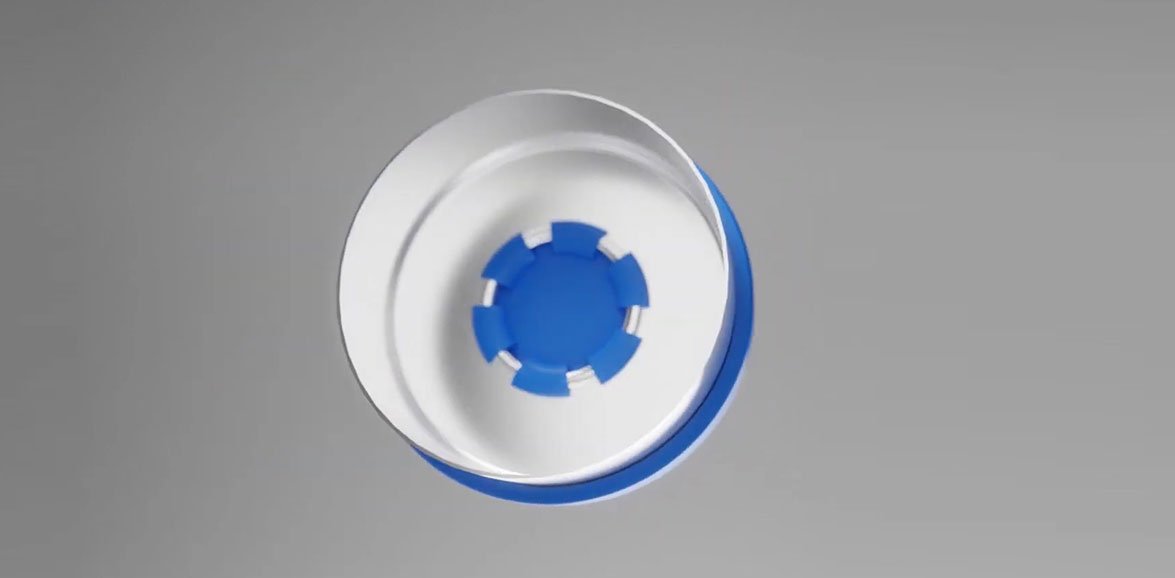
In almost all clinical and lab use you do not remove the metal cap from a vial at all: you flip up the plastic button on a flip-off seal to expose the rubber stopper, then disinfect the stopper and insert the needle through it. The aluminium skirt is meant to stay crimped on the vial. If you genuinely need to remove the full aluminium seal (for example, to recover the stopper or fully open a vial in a lab), the safest no-tool method is to lift the cut edge of the crimped skirt with a fingernail and peel it back gently, working slowly to avoid breaking the glass or contaminating the stopper. For routine and repeated full removal, labs use a purpose-made decapper rather than improvising by hand.
This guide explains when full removal is actually needed, how to do it by hand without a dedicated tool, and the cautions that matter for safety and product integrity.
Key takeaways
- You normally do not need to remove the metal. A flip-off seal is designed so you flip the plastic button and access the stopper while the aluminium crimp stays on for container closure integrity.
- Remove the full aluminium skirt only for a specific reason: recovering the stopper, emptying a vial, or a lab procedure that requires the stopper out. This is not standard clinical practice.
- The aluminium skirt is held by a tight crimp under the glass lip, so it resists removal by design. That is tamper evidence, not a defect.
- The safest no-tool method is to peel the cut skirt edge back gradually with a fingernail; never pry hard against the glass.
- Main hazards are glass breakage and a cut injury, and contamination of the rubber stopper once the seal is off.
- For frequent or sterile-sensitive full removal, a bench decapper is the controlled option, not a hand method.
When and why would you remove the full aluminium cap?
Removing the whole aluminium seal is the exception, not the routine. A sealed injectable vial is designed to be used through the stopper: you flip the button, wipe the exposed stopper, and draw or inject through the rubber. The aluminium skirt is crimped under the glass lip to hold the stopper in place and keep the container closed, so leaving it on is correct for almost all dosing and sampling.
There are a few legitimate reasons to take the full seal off: stopper recovery or vial emptying in a laboratory, cleaning glass vials for non-clinical research use, or failure analysis where the seal and stopper are inspected separately.
If your task is simply to administer or withdraw a dose, you do not need the removal steps below: flip the button and use the stopper. See how to open a vial with a metal cap for that workflow, or how to open a vial cap if you are not sure which seal type you are holding.
How to remove a metal vial cap without a tool
The reliable no-tool approach is to find the cut edge of the aluminium skirt, lift it with a fingernail, and peel it back around the crimp in small steps. Aluminium-plastic seals have a thin metal shell crimped under the glass neck, and that shell tears progressively once you start an edge. Work patiently rather than forcing it.
- Wash and dry your hands, and work over a clean, stable surface. Hold the vial low, near the base, not by the cap.
- Flip the plastic button off first if it is still in place. On a flip-off seal the button lifts away and the metal centre disc tears along its scoreline, exposing the top of the skirt.
- Find a starting edge. Look for the cut or torn edge of the aluminium where the centre came away. This is where the skirt will lift most easily.
- Lift the edge with a fingernail and bend a small tab of aluminium outward. Aluminium is soft, so a short tab is usually enough to grip.
- Peel the skirt back gradually, following the crimp around the vial neck. Keep the peel direction away from your other hand. Do not lever the metal against the glass.
- Lift the loosened skirt clear once the crimp releases, exposing the rubber stopper underneath.
If the skirt will not start, stop and reconsider whether you actually need it off. A seal that resists hand removal is doing its job, and the gentler alternatives are compared in flip-off cap removal techniques. For controlled or repeated work, move to a decapper rather than escalating force.
Cautions: glass breakage and stopper contamination
The two real risks are injury from glass breakage and contamination of the stopper, so treat removal as a deliberate, careful step. Glass injectable vials are thin at the neck and can crack or shatter if you pry the metal against them, which can cause cuts. Keep prying force on the aluminium itself, never against the glass, and stop if you feel the glass flex.
Stopper contamination is the second concern. Once the aluminium seal is off, the rubber stopper and the vial mouth are exposed to air and to your hands, so the sterile barrier, described in vial closure integrity, is broken. If you intend to use the contents after removal, disinfect the stopper surface and follow your facility’s aseptic procedure, in line with hand-hygiene and aseptic-technique guidance from the World Health Organization and the US Centers for Disease Control and Prevention. Discard any vial whose closure you have damaged if it was meant to stay sterile.
Avoid a knife, scalpel, or razor against the cap, as the blade can slip onto the glass or your fingers. Do not crush the vial in pliers or a vice, since the glass can fail suddenly. Do not reseal a vial by hand and treat it as integral again, because reapplying a crimp needs proper equipment.
When to use a decapper instead
For full aluminium-seal removal that is routine, high-volume, or has to stay clean, use a vial decapper rather than a hand method. A decapper is a bench or handheld tool that grips the crimped skirt and removes it in one controlled motion, which reduces glass breakage and the risk of fragments contaminating the contents. Labs that regularly open sealed vials keep decappers as standard equipment.
Hand removal is fine for an occasional vial in a non-sterile context. If you remove seals often, or if cleanliness matters, the decapper is the appropriate tool.
How seals are built to stay on, in practice at Autofits
Autofits manufactures aluminium-plastic FlipTop Optima flip-off seals and aluminium pilfer-proof (ROPP) caps whose purpose is to hold the stopper securely and stay crimped on the vial until deliberately removed. The flip-off design lets a clinician access the stopper by flipping the plastic button while the aluminium crimp stays in place, preserving container closure integrity and providing visible tamper evidence. The seals are produced under an ISO 15378:2017 quality system in a 75,000 sq ft Nashik facility with an ISO Class 8 cleanroom and high-speed visual inspection. The resistance you feel when peeling a crimped skirt by hand is the same crimp integrity that keeps the medicine sealed in transit and storage. You can review the certifications on the quality page, browse the full range of vial sealing products, and see how flip-off caps work for the mechanism behind the crimp.
Frequently asked questions
Do I need to remove the metal cap to use the vial?
No. For injectable vials you flip up the plastic button to expose the rubber stopper, disinfect the stopper, and insert the needle through it. The aluminium skirt is meant to stay crimped on the vial to keep it closed and show tamper evidence, so full removal is not part of normal use.
How do I take a metal vial cap off without a tool?
Flip off the plastic button, find the cut edge of the aluminium skirt, lift a small tab with a fingernail, and peel the skirt back gradually around the vial neck. Keep all force on the soft aluminium, never against the glass, and work slowly. If the skirt resists, you probably do not need it off.
Why is the metal cap so hard to remove?
The aluminium skirt is crimped tightly under the glass lip on purpose. That crimp secures the rubber stopper, maintains container closure integrity, and provides tamper evidence. Resistance to removal is a sign the seal is working, not a defect.
Is it safe to remove a vial seal by hand?
It can be done carefully in a non-sterile context, but there are two risks: the glass neck can crack and cut you, and the rubber stopper becomes exposed and unsterile once the seal is off. Keep prying force on the metal, disinfect the stopper if you will use the contents, and follow your facility’s aseptic procedure.
What tool removes a metal vial cap?
A vial decapper, available as a bench or handheld unit, grips and removes the crimped aluminium skirt in one controlled motion. Decappers are standard in labs that open sealed vials regularly because they reduce glass breakage and contamination compared with improvised hand removal.
Can I reuse a vial after taking the metal cap off?
Only in non-clinical settings, and not as a sterile container. Once the crimp is removed the closure system is broken, and you cannot restore container closure integrity by hand. A vial that needs to stay sterile should be discarded once its seal is damaged.
Related reading
- How to open a vial with a metal cap
- What a flip-off seal is
- How flip-off caps work
- What a pilfer-proof (ROPP) cap is
- The FlipTop Optima flip-off seal range
Sources
- World Health Organization: Infection prevention and control (https://www.who.int/teams/integrated-health-services/infection-prevention-control)
- US Centers for Disease Control and Prevention: Infection Control guidance for healthcare providers (https://www.cdc.gov/infection-control/hcp/index.html)
- US Pharmacopeia (USP-NF): General Chapter information on packaging and storage (https://www.usp.org/)
*Last updated: 2026-06-10. This article is general guidance, not clinical or compliance advice. Follow your facility’s standard operating procedures and aseptic technique for any vial used with medicines.*
