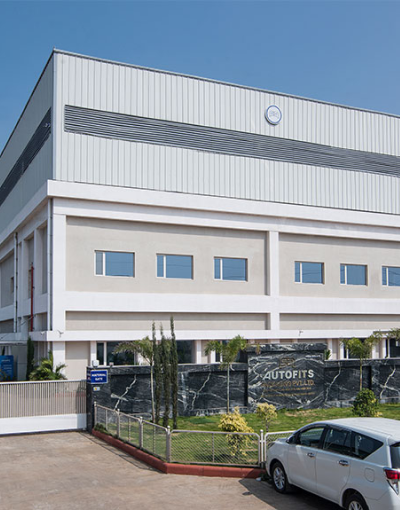
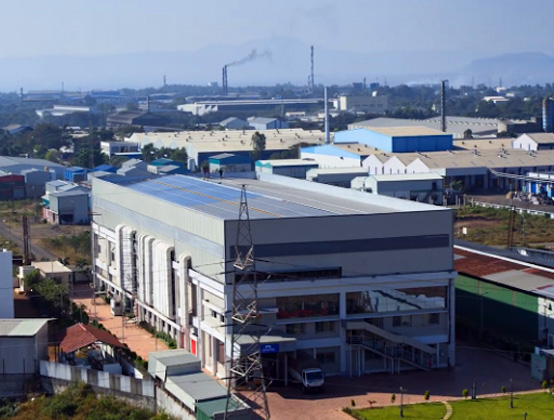
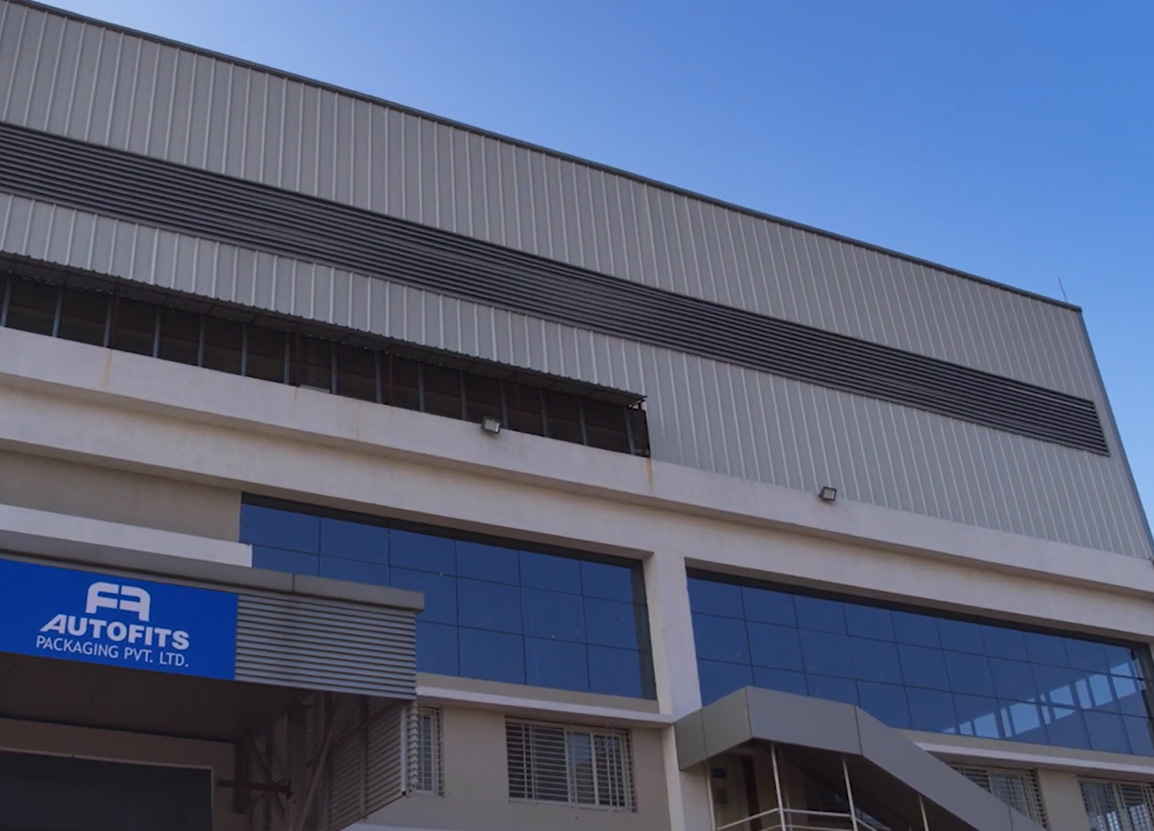
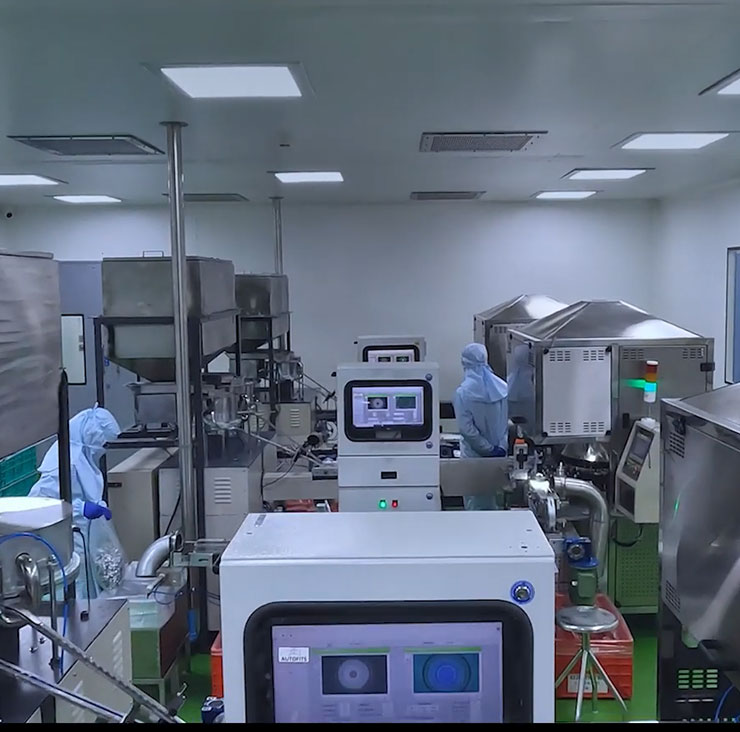
Autofits Packaging Pvt. Ltd. makes pharmaceutical vial seals and aluminium pilfer-proof caps at a 75,000 sq ft factory at E-13/7/4, MIDC, Malegaon, Sinnar, Nashik, Maharashtra, India, with more than 300 staff and capacity for more than 2.4 billion seals a year. Polypropylene discs are moulded in-house on Japanese Toyo injection machines, components go through fully automated washing, seals are assembled in an ISO Class 8 cleanroom, and every seal passes 100% high-speed camera inspection. The plant runs under ISO 9001:2015, ISO 14001:2015 and ISO 15378:2017 with Drug Master File 18100.
This section sets out what a buyer qualifying the factory as a supplier needs to check: the site and the legal entity, the process from aluminium to packed carton, the cleanroom class, how the product is inspected and released, the capacity, and the certifications the plant is audited against.
Key takeaways
- Legal entity: Autofits Packaging Private Limited, incorporated 2009 (CIN U25190MH2009PTC191475), at MIDC Malegaon, Sinnar, Nashik 422113.
- Site: 75,000 sq ft, more than 300 staff.
- Capacity: more than 2.4 billion seals a year and 250 million aluminium pilfer-proof caps a month, supplied to more than 150 pharmaceutical companies.
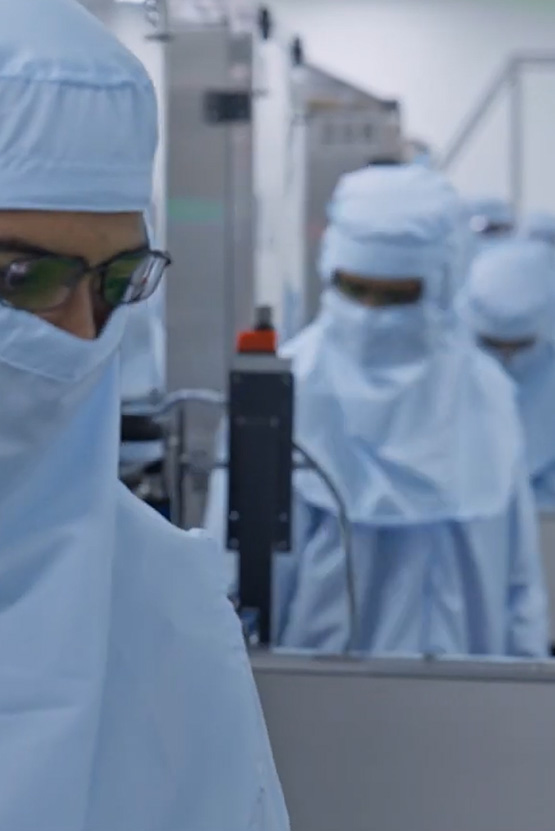
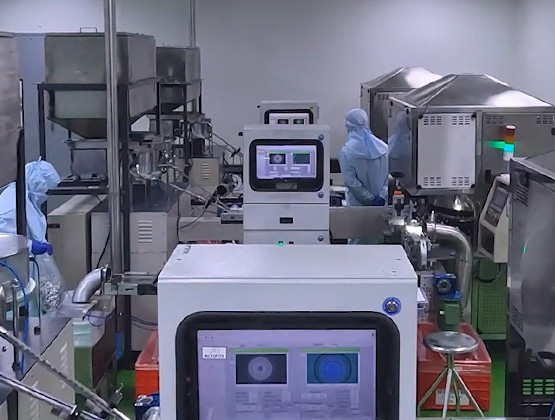
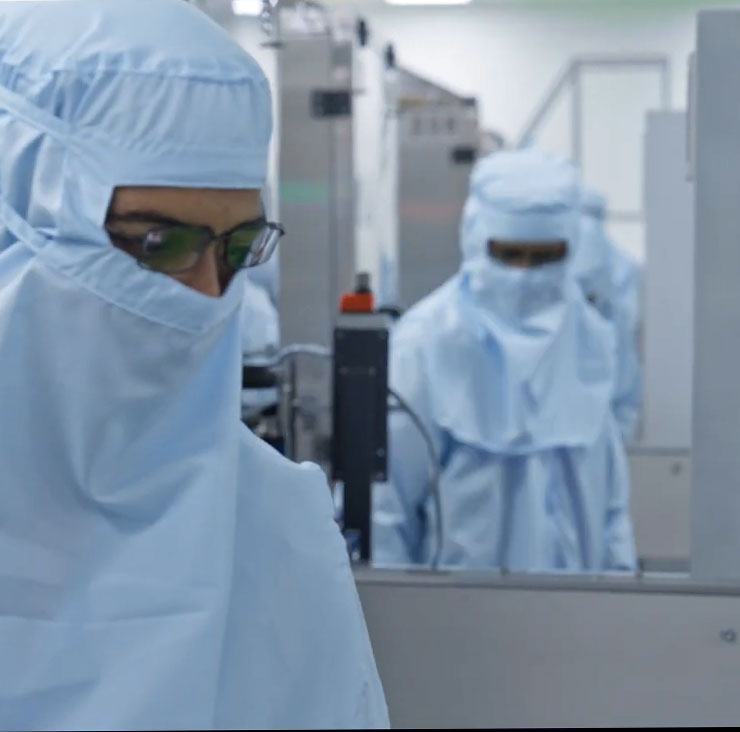
- Cleanroom: seal assembly in an ISO Class 8 cleanroom after fully automated washing.
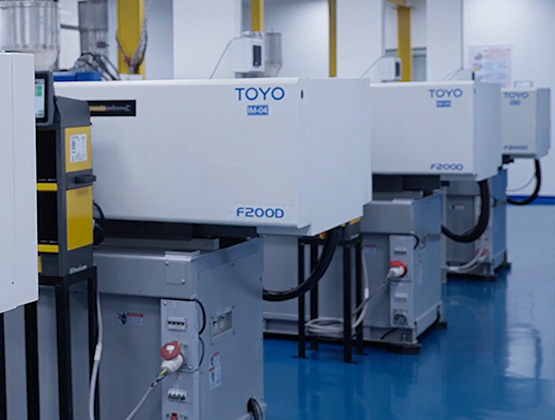
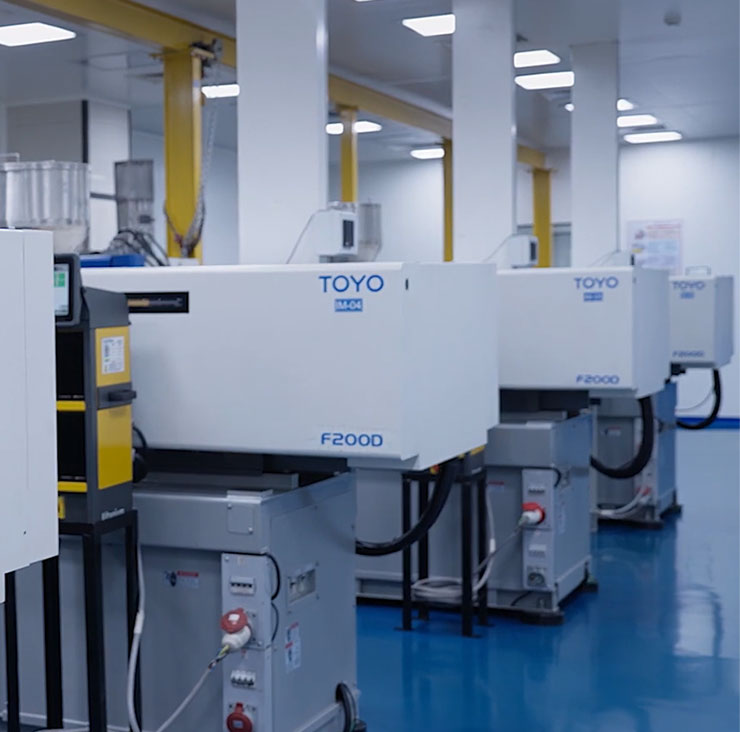
- Moulding: polypropylene discs and buttons moulded in-house on Japanese Toyo injection machines.
- Inspection: 100% high-speed camera inspection, with lots sampled at AQL critical nil, major NMT 2.5%, minor NMT 4%.
- Certified: ISO 9001:2015, ISO 14001:2015, ISO 15378:2017, DMF 18100 and a CFDA registration, with numbers on the quality page.
The site at a glance
Everything a supplier questionnaire asks about the site itself fits in one table.
| Item | Detail |
|---|
| Legal name | Autofits Packaging Private Limited (Autofits Packaging Pvt. Ltd.) |
| Incorporated | 2009, CIN U25190MH2009PTC191475 |
| Address | E-13/7/4, MIDC Malegaon, Sinnar, Nashik, Maharashtra 422113, India |
| Factory area | 75,000 sq ft |
| People | More than 300 |
| Output | More than 2.4 billion seals a year; 250 million aluminium pilfer-proof caps a month |
| Cleanroom | ISO Class 8 assembly |
| Moulding | In-house, Japanese Toyo injection-moulding machines |
| Inspection | 100% high-speed camera inspection |
| Quality system | ISO 15378:2017 GMP, with ISO 9001:2015 and ISO 14001:2015 |
| Registrations | Drug Master File 18100; CFDA registration |
From aluminium coil to packed carton
A seal passes through six controlled stages in the plant, and the stage at which a defect could arise is the stage that controls it.
| Stage | What happens | Control |
|---|
| 1. Aluminium | AA8011 alloy is received and formed into seal shells | EN 15088:2005 alloy, EN 10204 3.1 certificate, epoxy lacquer to 21 CFR 175.300 |
| 2. Moulding | Polypropylene discs and buttons are injection moulded | In-house Toyo machines; resin to 21 CFR 177.1520 and EC 1895/2005 |
| 3. Washing | Components are washed before assembly | Fully automated washing to remove particles |
| 4. Assembly | Aluminium shell and plastic top are joined | ISO Class 8 cleanroom |
| 5. Inspection | Every seal is checked by camera | 100% high-speed visual inspection, AQL sampling on the lot |
| 6. Packing | Seals are bagged and boxed | Standard boxes 420 × 270 × 320 mm, Tyvek bagging available, double-bagged for aseptic areas |
The polypropylene disc carries the moulded break point that gives a flip-off seal its opening action and, on the Button design, its intrinsic tamper evidence. When the disc is moulded on the same site that assembles and inspects the seal, a change to disc geometry is a controlled internal change, not a supplier notification that arrives after the fact. The assembly sequence behind an aluminium-plastic seal is described step by step in how aluminium-plastic seals are made.
Cleanroom class and contamination control
Seal assembly runs in an ISO Class 8 cleanroom, which ISO 14644-1 limits to 3,520,000 airborne particles of 0.5 µm and larger per cubic metre. For Ready-to-Use seals it keeps particle levels and pre-sterilisation bioburden low before the seals are sterilised and double-bagged for transfer into a customer’s aseptic filling area.
Contamination control starts before the cleanroom. Fully automated washing removes particles from the components before assembly, so the cleanroom is maintaining a clean state rather than trying to create one. For Ready-to-Use supply the aluminium is double-lacquered, the seals are washed and assembled in the cleanroom, sterilised by gamma irradiation or ethylene oxide, and double-bagged. Ready-to-Sterilize seals are supplied clean and bagged for the customer’s own validated cycle, and Regular seals are the standard non-sterile form for crimping outside controlled environments.
For a buyer, the question is which form matches the line. An aseptic line that does not sterilise incoming components itself specifies Ready-to-Use, a line with its own validated sterilisation cycle specifies Ready-to-Sterilize, and crimping outside a controlled environment uses Regular seals. Shelf life follows the form: 3.5 years before capping for non-irradiated seals, plus 5 years after capping, and 2 years before capping for Ready-to-Use.
Inspection and release
Every seal is inspected by camera, and every lot is then sampled against an agreed AQL before it ships. The two checks do different jobs. Camera inspection catches individual defects at line speed with minimal human intervention in the check. AQL sampling confirms that the lot as a whole meets the specification: critical defects nil, major defects not more than 2.5%, minor defects not more than 4%, with tighter limits adopted where a customer specification requires them.
The dimensions that inspection works to come from the engineering drawings for each size and design. On a 20 mm FlipTop Optima seal, for example, that is an inner aluminium diameter of 20.22 mm minimum, a total seal height of 9.02 to 9.91 mm, aluminium 0.16 to 0.20 mm thick, six taper bridges and a maximum opening force of 35 N. The same drawing-controlled approach runs across 13, 20, 28, 32 and 34 mm, and across the Pull Ring, Tear-Down and all-aluminium tear-off and tear-down designs.
Material evidence is documented. The aluminium carries EN 10204 3.1 inspection certification, and compliance declarations for the lacquer, the polypropylene, heavy metals (chromium-VI, cadmium, mercury and lead held to a maximum 100 ppm total) and BSE/TSE status to EMEA/410/01 rev. 3 are supplied on request.
Capacity and range
The plant’s stated output is more than 2.4 billion seals a year and 250 million aluminium pilfer-proof caps a month, across the full closure range.
| Product line | Construction | Sizes |
|---|
| FlipTop Optima (Bridge, Button, Flower) | Aluminium-plastic flip-off | 13, 20, 28, 32, 34 mm |
| FlipTop Pull Ring | Aluminium-plastic, full removal | 20, 32 mm |
| FlipTop Tear-Down | Aluminium-plastic, twist off | 13, 20, 32 mm |
| Tear-off seals | All-aluminium | 13, 20, 32 mm |
| Tear-down seals | All-aluminium | 20 mm |
| Aluminium pilfer-proof (ROPP) caps | Aluminium screw cap with EPE, latex or PVC liner | 22, 25, 28, 35, 38 mm |
Standard designs are available with minimal lead time, typically 2 to 3 weeks from order confirmation and typically from 50,000 pieces per size and colour, and custom colour, print or emboss typically takes 4 to 6 weeks including artwork approval; both are confirmed with the quotation. The full range is on the products page.
Quality system and certifications
The factory is certified to ISO 9001:2015, ISO 14001:2015 and ISO 15378:2017, holds Drug Master File 18100 and a CFDA registration. ISO 15378 is the one that applies GMP to primary packaging, and its requirements for risk management, validation, contamination control and traceability are what the process above is built to. Aluminium-plastic seals follow ISO 8362-6 and all-aluminium seals relate to ISO 8362-3.
Certificate numbers, the AQL plan and the full material compliance position are set out on the quality page, and copies of the certificates are supplied on request, as listed under quality certificates.
Auditing the factory as a supplier
A supplier audit of a seal maker comes down to six things, and each has a specific place to look at this site.
- Legal entity and site. Confirm the CIN and address against the certificates, since the certificates are issued to the site.
- Certification scope. Check that ISO 15378:2017 certificate 21.GGCS.IN.151175 is current and covers the products being bought.
- Cleanroom. Ask for the ISO Class 8 classification records for the assembly area and how the washing step feeds it.
- Moulding control. Review how disc geometry is held on the in-house Toyo moulding machines and how a tooling change is controlled.
- Inspection and release. Walk the 100% camera inspection and the AQL sampling plan, and agree the defect classification for your specification.
- Material traceability. Trace a lot back to its EN 10204 3.1 aluminium certificate and its polypropylene declaration.
The wider checklist, including commercial and supply-continuity questions, is in how to audit a vial closure supplier. Audit requests, sample requests and specification questions go to the technical team through the contact page.
Frequently asked questions
Where is the Autofits factory?
The factory is at E-13/7/4, MIDC Malegaon, Sinnar, Nashik, Maharashtra 422113, India. It is operated by Autofits Packaging Private Limited, incorporated in 2009 under CIN U25190MH2009PTC191475, and covers 75,000 sq ft with more than 300 staff.
What cleanroom class does Autofits use?
Seals are assembled in an ISO Class 8 cleanroom after fully automated washing. ISO 14644-1 limits a Class 8 room to 3,520,000 particles of 0.5 µm and larger per cubic metre of air. Ready-to-Use seals are assembled there, sterilised by gamma irradiation or ethylene oxide and double-bagged for aseptic areas.
How many seals does Autofits make a year?
The plant’s stated capacity is more than 2.4 billion seals a year and 250 million aluminium pilfer-proof caps a month. Autofits supplies more than 150 pharmaceutical companies from this site.
Are the plastic discs moulded in-house?
Yes. Polypropylene discs and buttons are moulded on the site’s own Japanese Toyo injection-moulding machines, from resin conforming to 21 CFR 177.1520 and EC 1895/2005. Moulding in-house keeps disc geometry and the moulded break point under the same quality system as assembly and inspection.
How are seals inspected before shipping?
Every seal passes 100% high-speed camera inspection on the line, and each lot is sampled against an AQL of critical defects nil, major not more than 2.5% and minor not more than 4%, tailorable to a customer specification. The aluminium carries EN 10204 3.1 inspection certification.
Which certifications does the factory hold?
The factory holds ISO 9001:2015 (21.GGCS.IN.091174), ISO 14001:2015 (21.GGCS.IN.140169) and ISO 15378:2017 (21.GGCS.IN.151175), with Drug Master File 18100 and a CFDA registration for the China market. Certificate copies are supplied on request.
Related reading
Sources
- ISO: ISO 14644-1, Cleanrooms and associated controlled environments, Part 1: Classification of air cleanliness by particle concentration (https://www.iso.org/)
- ISO: ISO 15378:2017, Primary packaging materials for medicinal products, Particular requirements for the application of ISO 9001:2015 with reference to GMP (https://www.iso.org/standard/70729.html)
- ISO: ISO 8362-6:2010, Injection containers and accessories, Part 6: Caps made of aluminium-plastics combinations for injection vials (https://www.iso.org/standard/52806.html)
- EMA: EMEA/410/01 rev. 3, Note for guidance on minimising the risk of transmitting animal spongiform encephalopathy agents via human and veterinary medicinal products (https://www.ema.europa.eu/)
- Autofits company brochure (https://autofits.com/wp-content/uploads/2024/07/Autofits-Brochure.pdf) and FlipTop Seals dossier
*Last updated: 2026-09-15. Capacity figures are those stated by Autofits; order quantities and lead times are typical values confirmed with each quotation.*